
The Journey of South African Citrus
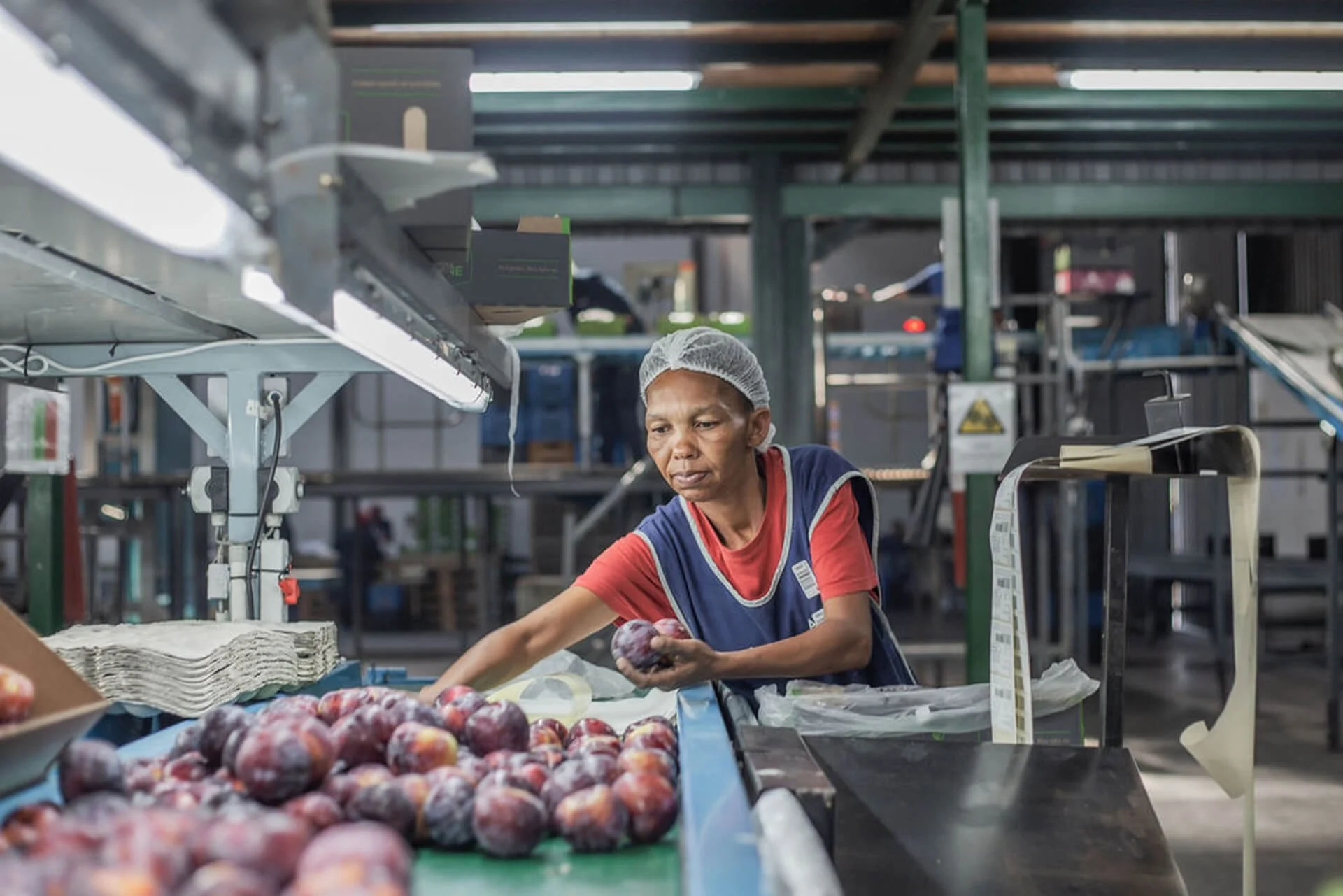
Every year, South Africa ships over 200 million cartons of citrus to the rest of the world. It’s a massive operation, but it’s the quiet, precise science behind the scenes that keeps the "Brand South Africa" reputation alive.
1. The Starting Line: Harvest
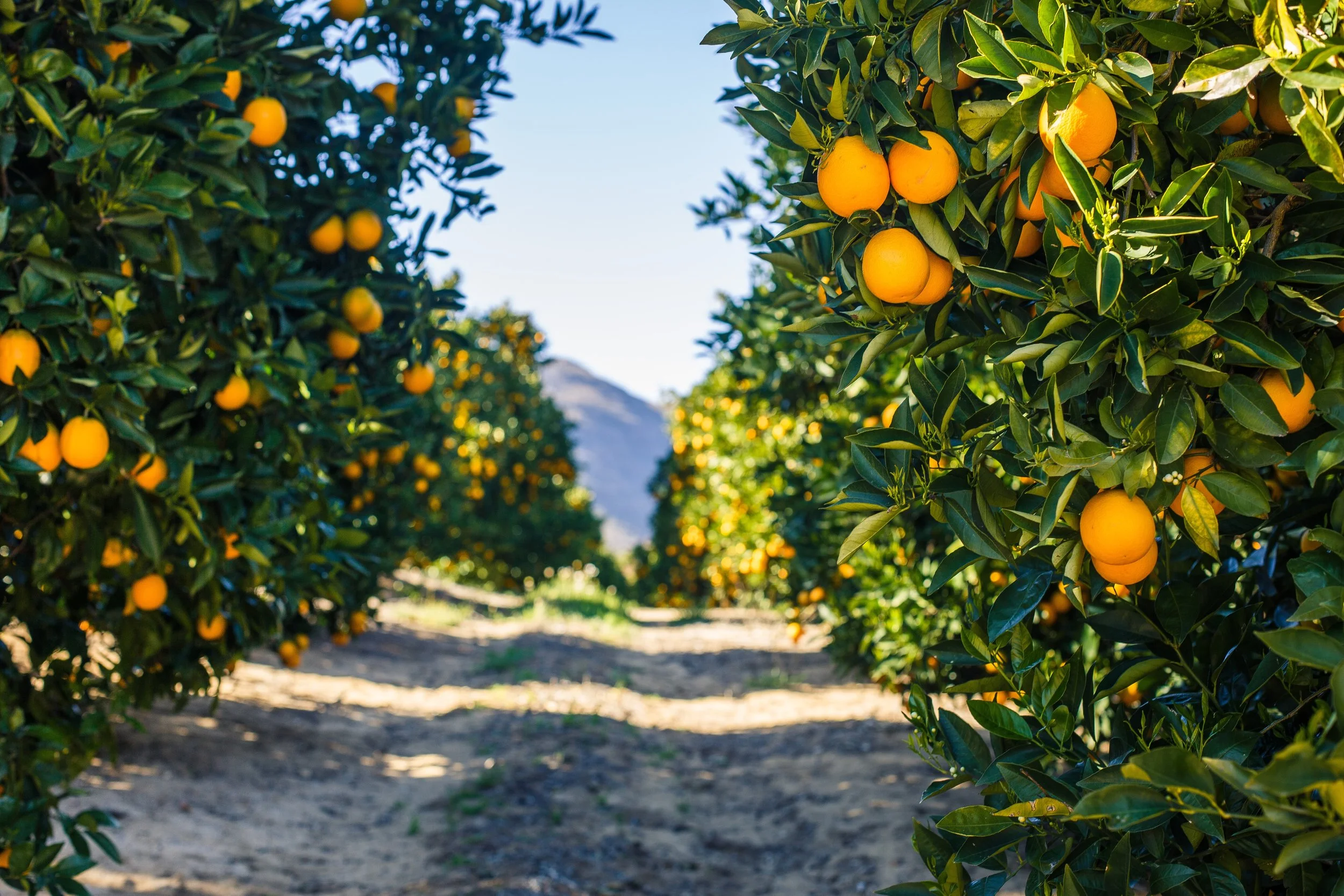
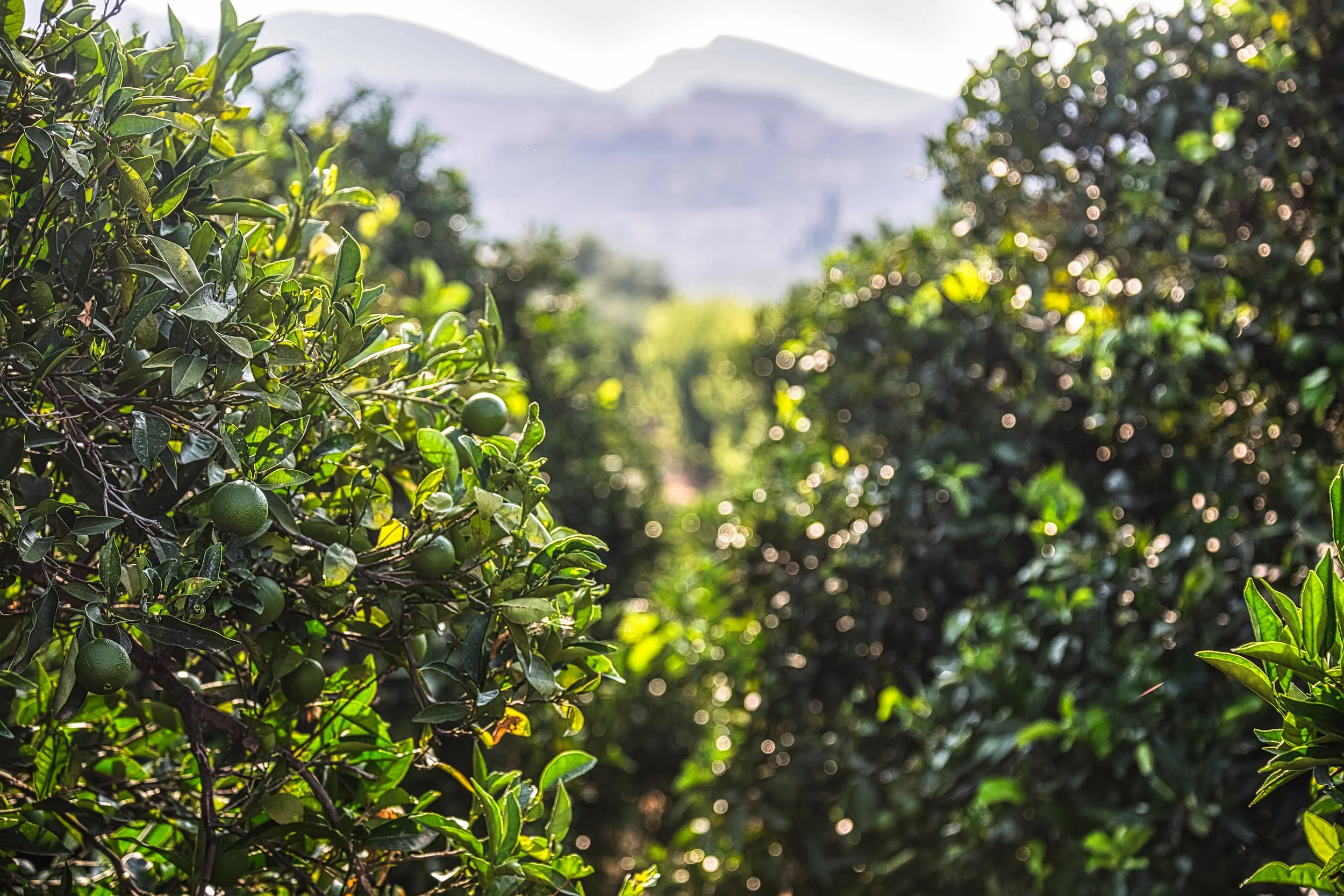
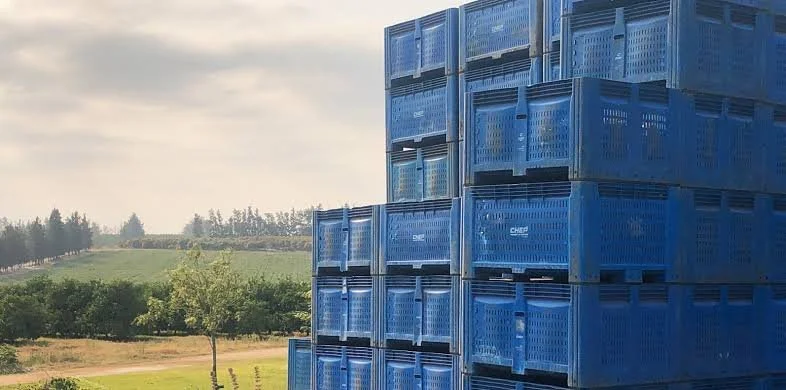
It all begins in the orchards of the Limpopo, Eastern Cape, and Western Cape. Harvesting well is about timing and protection. Pickers are trained to avoid leaving long stems that could puncture neighbouring fruit in the bin, as even a minor wound can lead to decay during the long voyage ahead.
2. The Packhouse: Where Quality is Defined
Once the fruit arrives at the packhouse, the "logistics of quality" kick in. Every bin is scanned and tracked, creating a digital passport for the fruit.
The Wash: The citrus is cleaned to remove field dust and treated to manage microscopic decay.
The Wax: A protective wax coating is applied. It seals the rind to lock in moisture, acting as a crucial defence against dehydration during weeks at sea.
Optical Sorters: Using advanced cameras, machines grade each piece of fruit by size, colour, and cosmetic perfection. Only the "export grade" makes the cut.
3. The Cold Chain: A Fragile Life Support System
The most critical phase is the Cold Chain. Citrus is a living product that "breathes". If it gets too hot, it spoils; if it gets too cold, it suffers "chilling injury".
Exporters use refrigerated "reefer" containers that must be pre-cooled before the fruit is even loaded. Once sealed, these containers are the fruit's life support system for the next 16 to 24 days. In 2026, the industry is more focused than ever on maintaining this temperature, using real-time data loggers to monitor the "pulp temperature" of the fruit inside the container.
4. The Final Stretch: Port Challenges
The final hurdle is the journey to the port. Whether it’s Durban or Cape Town, the fruit must navigate a complex network of road and rail. Challenges with port terminal efficiency have made this the most scrutinised part of the journey. For an exporter, getting a container onto a vessel on time is the ultimate goal—a delay of even a few days can mean the difference between a premium product and a rejected shipment.
Why it Matters
It’s easy to grab an orange from a grocery shelf and take it for granted. But behind that piece of fruit is a network of thousands: farmers in the Eastern Cape, engineers managing cold-room temperatures, and port workers navigating global supply chain hurdles.
In 2026, the South African citrus industry continues to prove that even in a volatile global landscape, it can deliver quality to the world—one carton at a time.