
How Embracing Imperfection Fights Food Waste
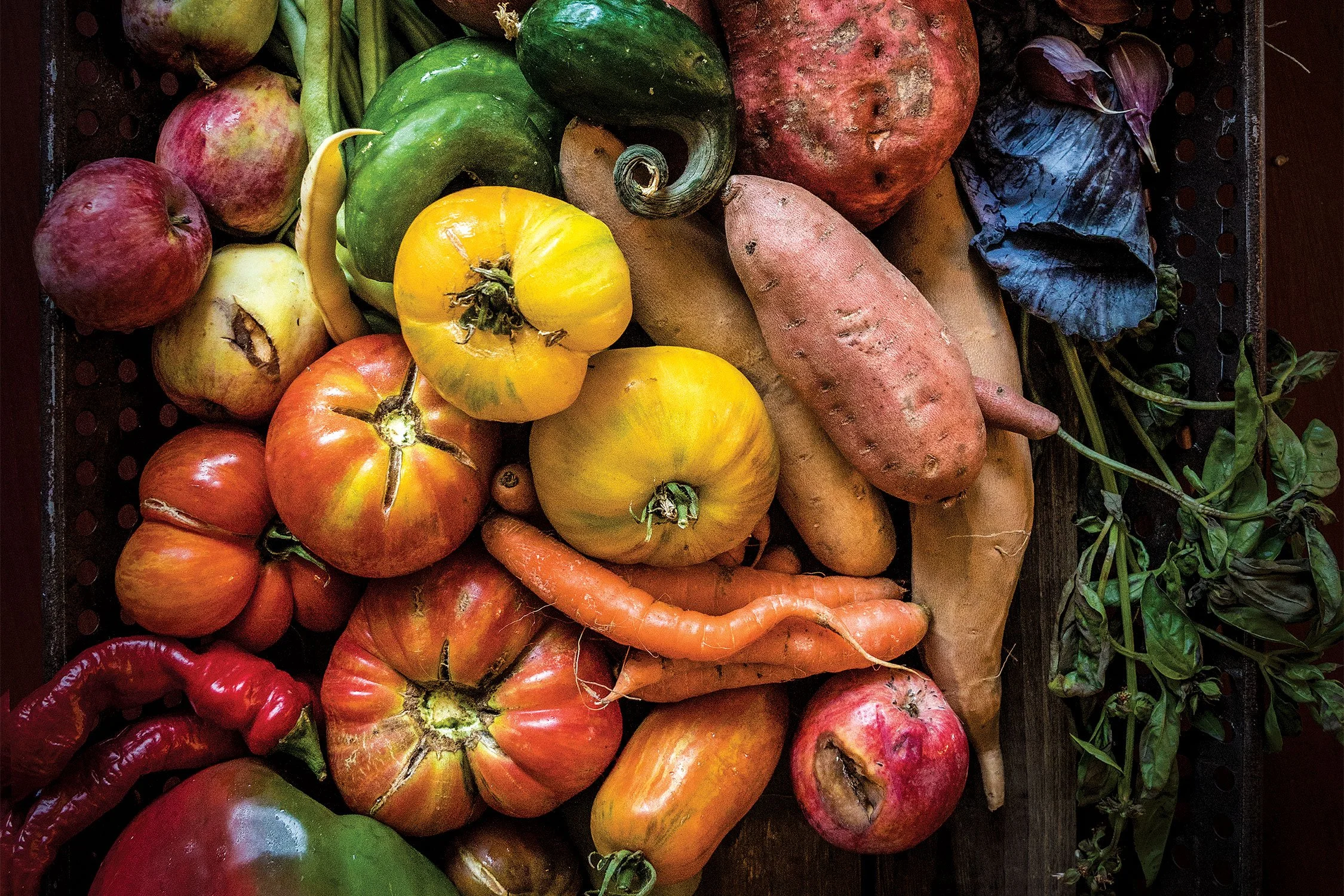
We've all seen them—the two-legged carrot, the lumpy lemon, the slightly asymmetrical apple. Nature rarely grows in perfect spheres or straight lines. Yet, when we walk down the supermarket aisle, it looks like an art gallery of flawless, uniform fruits and vegetables.
But what happens to the misfits?
Globally, a staggering one-third of all food produced goes to waste. While much of the conversation around food waste focuses on what spoils in our refrigerators or expires on supermarket shelves, a massive portion of this waste occurs before the food ever leaves the farm.
The culprit? Cosmetic standards.
Retailers have established incredibly strict specifications for the size, shape, and color of fresh produce. Because consumers have been conditioned over decades to "buy with their eyes," an apple with a minor blemish or a cucumber with a curve is routinely passed over. To avoid stocking shelves with produce that won't sell, supermarkets simply reject entire shipments that don't look picture-perfect.
The Hidden Costs of Perfection
When we reject "ugly" produce, the damage extends far beyond the farm gate. The true cost of our demand for aesthetic perfection is both economic and environmental.
The Economic Toll on Farmers: Growing a wonky carrot requires the exact same amount of water, fertilizer, labor, and time as growing a perfectly straight one. When a supermarket buyer rejects a crop purely on aesthetic grounds, the farmer absorbs the financial loss. This squeezes profit margins in an industry already vulnerable to unpredictable weather and rising input costs.
The Environmental Impact: When we throw away a perfectly edible piece of fruit, we aren't just wasting food—we are throwing away all the natural resources used to cultivate it. Furthermore, when rejected produce is left to rot in fields or sent to landfills, it decomposes and releases methane, a greenhouse gas significantly more potent than carbon dioxide.
The Turning Tide: Finding Value in the Misfits
Fortunately, the narrative around ugly produce is beginning to shift. Startups, innovative retailers, and Agtech companies are finding new ways to ensure that good food doesn't go to waste.
1. Direct-to-Consumer "Ugly" Boxes
In recent years, we’ve seen a boom in subscription services that purchase aesthetically imperfect produce directly from farmers at a fair price and deliver it straight to consumers’ doors. By offering a discount compared to traditional grocery stores, these companies are proving that consumers will buy misshapen vegetables if the price and convenience are right.
2. Retailer Initiatives
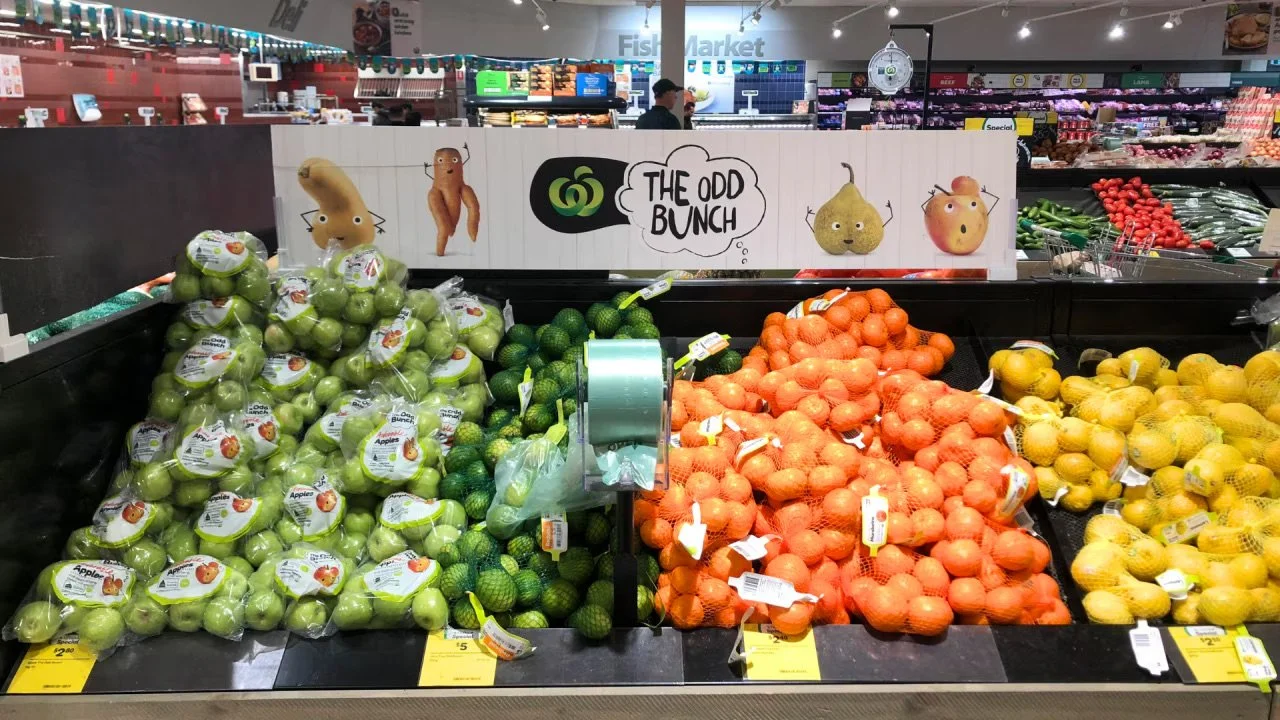
Some major supermarkets have recognized the changing consumer sentiment and introduced their own "imperfect" ranges. By bagging up wonky apples or undersized avocados and selling them at a reduced price, retailers are creating a new market for produce that would have otherwise been plowed back into the earth.
3. Upcycling and Value-Added Products
When appearance truly doesn't matter, processing is the perfect solution. Companies are increasingly upcycling ugly produce into juices, jams, sauces, and freeze-dried snacks. A misshapen tomato tastes exactly the same in a pasta sauce as a perfectly round one.
What Can We Do?
Fighting food waste doesn't require a massive lifestyle overhaul—it starts with how we shop.
Buy the Misfits: If your local store offers an "imperfect" range, give it a try.
Shop at Farmers Markets: Local markets are often more forgiving of cosmetic flaws, and you'll be buying directly from the grower.
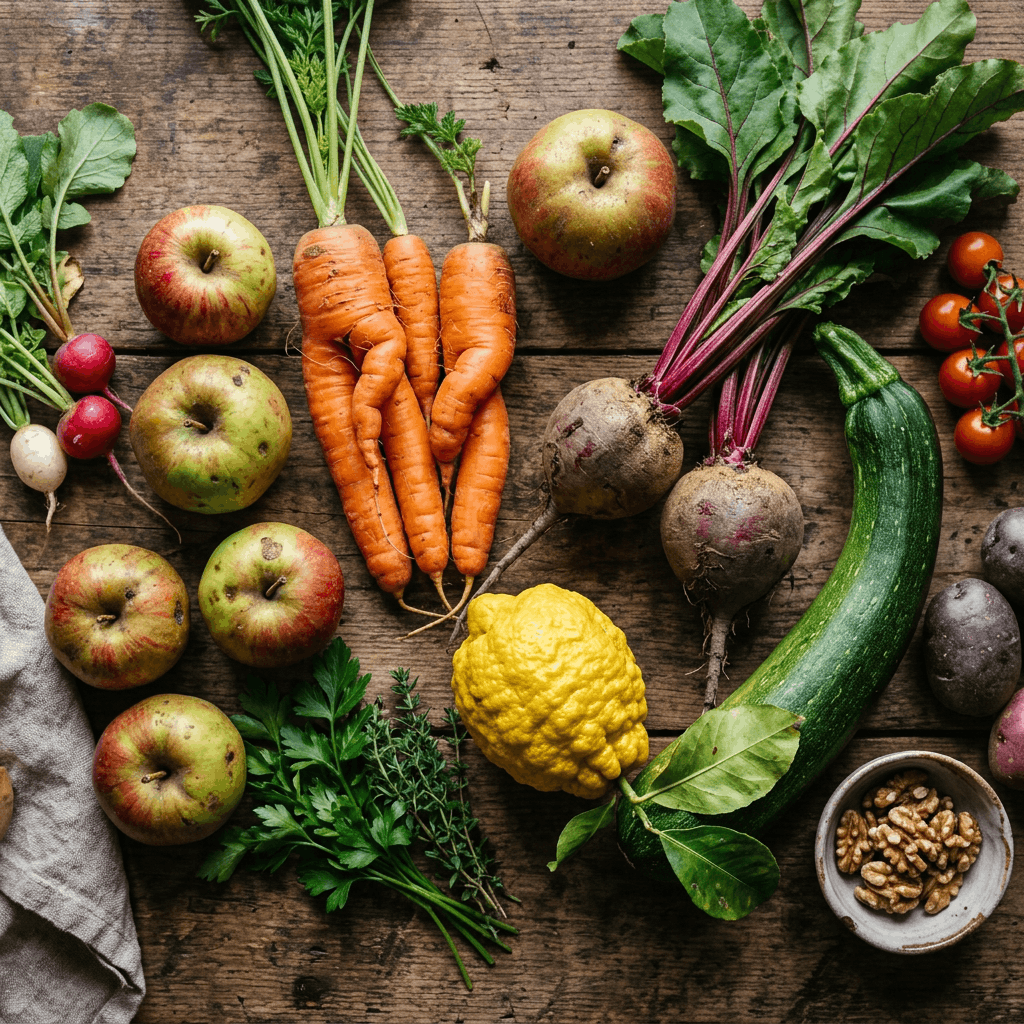
Change the Mindset: Remember that a bruised apple can be baked into a pie, and a wilting carrot is perfect for soup.
At PostHarvest Technologies, we are passionate about optimizing the cold chain to ensure fresh produce reaches its destination in peak condition. But preserving food quality is only half the battle. To build a truly sustainable agricultural future, we must also change our perception of what good food looks like.
It’s time to realize that true beauty in produce isn't about perfect symmetry—it’s about flavor, nutrition, and sustainability.